

What Inspectors look for during the winter with ice dams
1. Exterior Roof and Eave Signs of Ice Dams
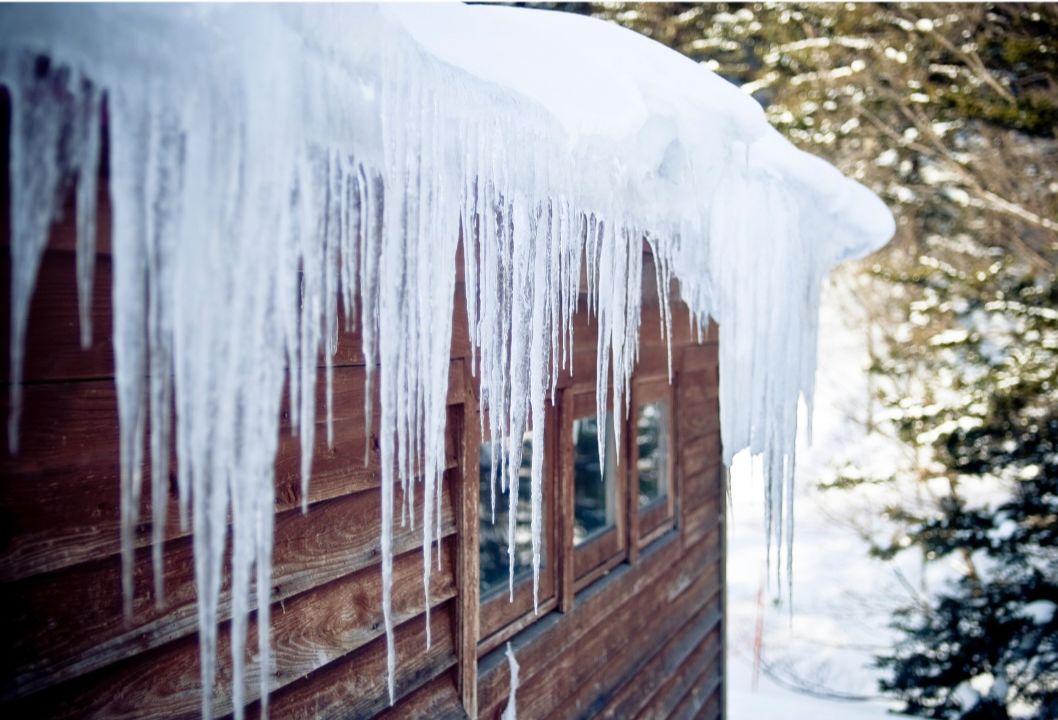
During inspections I usually start outside, looking for visible evidence of ice dam formation or past issues. I can spot clues such as weathered wood and damaged paint.This comes from heavy ice build ups (often with long icicles) form when heat from the home melts snow on the upper roof, but the water refreezes at the colder eaves.
2. Interior Signs of Water Intrusion
The real damage often shows up inside. I thoroughly check attics, ceilings, and walls for evidence of leaks caused by past or recurring ice dams.
Red flags include:
- Water stains or discoloration on ceilings (especially near exterior walls)
- Peeling paint, bubbling drywall, or mold growth
- Damp insulation in the attic
- Raised,warped, water stained hardwood flooring along the exterior walls of the room
3. Underlying Causes: Attic Insulation and Ventilation
Ice dams are sometimes not a "roof problem" ,they can often be an attic problem. During my inspection I will pay special attention to:
- Inadequate insulation — Heat escapes from the living space, warming the roof deck unevenly
- Poor ventilation — Trapped heat causes snow to melt faster over the main roof while eaves stay cold
- Air leaks — From recessed lights, ducts, or unsealed penetrations
4. Prevention Features and Roof Construction
In Summit County's snowy climate, good roofs include built-in protection. When Inspecting I always look for the following:
- Ice and water shield — Colorado codes often require self-adhering membranes (extending 24+ inches inside the exterior wall) to prevent leaks. Even if punctured ice and water shield is "self sealing" and should prevent moisture penetration
- Proper ventilation systems — Soffit, ridge, and gable vents to keep attic temperatures even
- Existing heat tape — Installed along eaves, valleys to melt ice before it dams. It is also crucial to have adequate mounting to ensure the weight of the ice and snow along with the occasional high winds, do not displace the heating cable.
Categories
- All Blogs (106)
- Breckenridge (19)
- Buying a Home (36)
- Expired to Sold (2)
- Featured Listings (4)
- Frisco (1)
- Home Maintenance (8)
- Keystone (9)
- Lender Updates (7)
- Local Agent Guides (6)
- Local Businesses (10)
- Market Updates (15)
- Mountain Lifestyle (17)
- Park County (5)
- Selling a Home (15)
- Short Term Rentals (4)
- Summit County (72)
Recent Posts








GET MORE INFORMATION